 Call Us : 08071780942Call Us : 08071780942
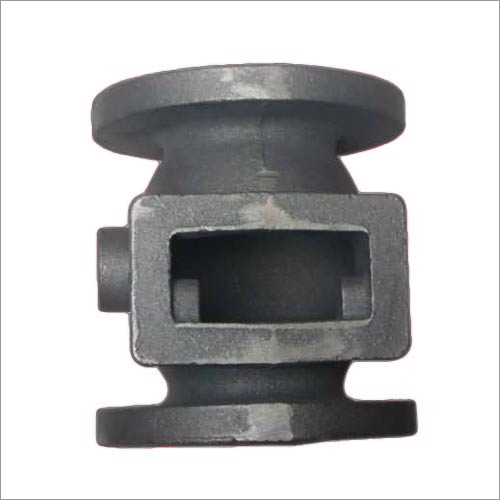
Cast Iron Gate Valve
Product Details:
- Surface Treatment Painted / Anti-corrosive coated
- Process Casting
- Product Type Gate Valve
- Material Cast Iron
- Surface Smooth / Machined
- Dimension (L*W*H) Varies as per size (Standard: 2 to 18)
- Size Available from 2 Inch to 18 Inch (DN50 - DN450)
- Click to View more
X
Cast Iron Gate Valve Price And Quantity
Cast Iron Gate Valve Product Specifications
- Depends on size (Approx. 12 kg to 210 kg)
- Painted / Anti-corrosive coated
- Blue / Black / Red (as per specifications)
- Water supply, sewage, irrigation, industrial pipeline systems
- Available from 2 Inch to 18 Inch (DN50 - DN450)
- Gate Valve
- Casting
- Smooth / Machined
- Cast Iron
- Varies as per size (Standard: 2 to 18)
- As per IS/BS/DIN standards
- Bolted Bonnet
- Water, non-corrosive liquids
- Up to 80°C
- 1.5 MPa
- Stainless Steel
- Flanged Ends
- Handwheel / Manual
- Non-rising / Rising stem
- IS 14846 / BS 5163 / DIN
- PN10 / PN16
- 1.0 MPa
- Bronze / Brass / Rubber seat
Product Description
Cast Iron Gate Valve is primarily used to permit or prevent the flow of liquids. It is highly appreciated by the clients due to its unequaled quality and durable construction. It is engineered from superior grade raw material and advanced technology in accordance with the set industry standards. We supply this range of Cast Iron Gate Valve in various specifications at competitive prices.
Robust and Versatile Construction
Manufactured using high-grade cast iron, the gate valves feature a flanged end connection and a bolted bonnet design for added strength. The handwheel operation allows for precise manual control, while stainless steel stems provide corrosion resistance. Available in a wide range of sizes (2"-18"), these valves are finished with anti-corrosive coatings in blue, black, or red as per requirements.
Comprehensive Standards Compliance
These valves strictly adhere to international standards such as IS 14846, BS 5163, and DIN, ensuring interoperability and quality across global industrial applications. The face-to-face dimensions conform to these standards, making integration with existing systems seamless and hassle-free.
Reliable Sealing and Pressure Testing
Engineered for secure performance, the gate valves are tested at 1.5 MPa (body) and 1.0 MPa (seat) to prevent leaks. Sealing options include bronze, brass, or rubber, depending on the medium and temperature requirements. This makes the valves suitable for water and non-corrosive liquids up to 80C, commonly found in municipal and industrial systems.
FAQ's of Cast Iron Gate Valve:
Q: How should a Cast Iron Gate Valve with flanged ends be installed in a pipeline?
A: Installation should occur at a location that allows full handwheel access for manual operation. Ensure proper flange alignment and use compatible gaskets. Tighten bolting to recommended torque and confirm the valve is in the closed position before pressurizing the system.Q: What types of fluids are suitable for this gate valve?
A: This valve is designed for safe use with water and non-corrosive liquids, making it ideal for water supply, sewage, irrigation, and general industrial pipeline systems.Q: When should I choose a rising stem versus a non-rising stem gate valve?
A: Rising stem gate valves are preferred when visual indication of valve status (open/closed) is required, while non-rising stem versions are beneficial in areas with limited vertical space.Q: Where can this gate valve be used?
A: Typical applications include municipal water supply, wastewater management, irrigation systems, and industrial pipelines. The valve's robust construction makes it suitable for both above-ground and underground installations.Q: What is the manufacturing process and surface treatment for this valve?
A: The valve body is manufactured by casting and finished with a smooth, machined surface. It is then coated with paint or an anti-corrosive finish in color options such as blue, black, or red, as specified by the client.Q: How does the sealing type affect the valve's performance?
A: Sealing options in bronze, brass, or rubber ensure minimal leakage and compatibility with various working temperatures and media. Choice of seat material depends on application requirements and fluid properties.Q: What are the benefits of choosing this model from a supplier in India?
A: Indian manufacturers offer high-quality valves that meet international standards, competitive pricing, and reliable after-sales support, making them a preferred choice for global projects.Tell us about your requirement

Price:
Quantity
Select Unit
- 50
- 100
- 200
- 250
- 500
- 1000+
Additional detail
Mobile number
Email

Other Products in 'Cast Iron Casting Products' category

Address
AMIT CASTINGS
GST : 19AAGFA1608J1ZK
GST : 19AAGFA1608J1ZK
- B No. 144/145, J. N. Mukherjee Road, Howrah - 711107, West Bengal, India
- Phone :08071780942
- Send Inquiry
 Send Inquiry
 Send Inquiry
 |
AMIT CASTINGS
All Rights Reserved.(Terms of Use) Developed and Managed by Infocom Network Private Limited. |
